Most AI products fail in the same place — not the model, but the seam between the model and the work. I build the part that closes it: agents and automation that hold up once real people depend on them.
Design and full-stack engineering came first, and that turned out to be the useful preparation. The hard part was never the inference call; it was everything around it. Based in South Africa. Building for people everywhere.
01
AI Engineering
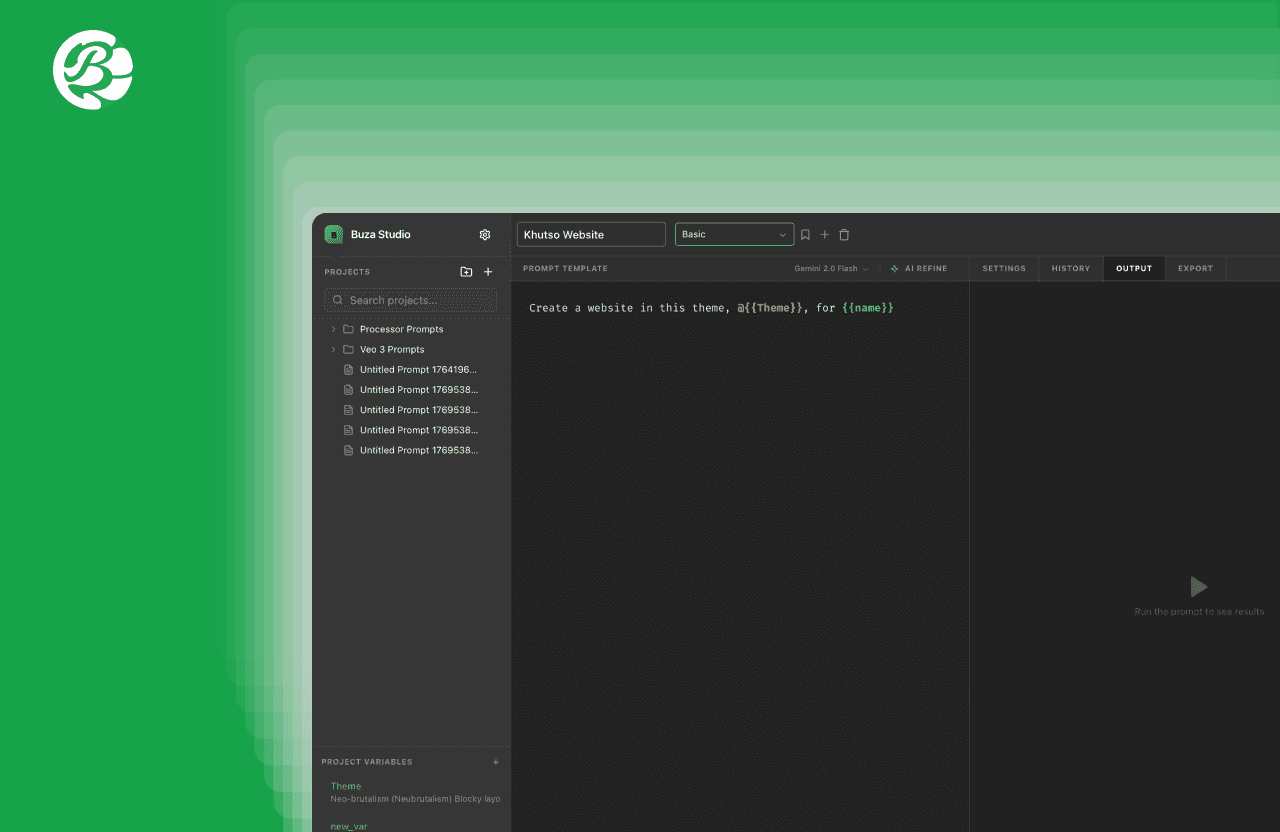
Autonomous agents, LLM workflows and retrieval systems that hold up in production. Tool design, evals and the unglamorous plumbing that decides whether a model is useful or a demo.
LLMsAgentsRAGEvals
02
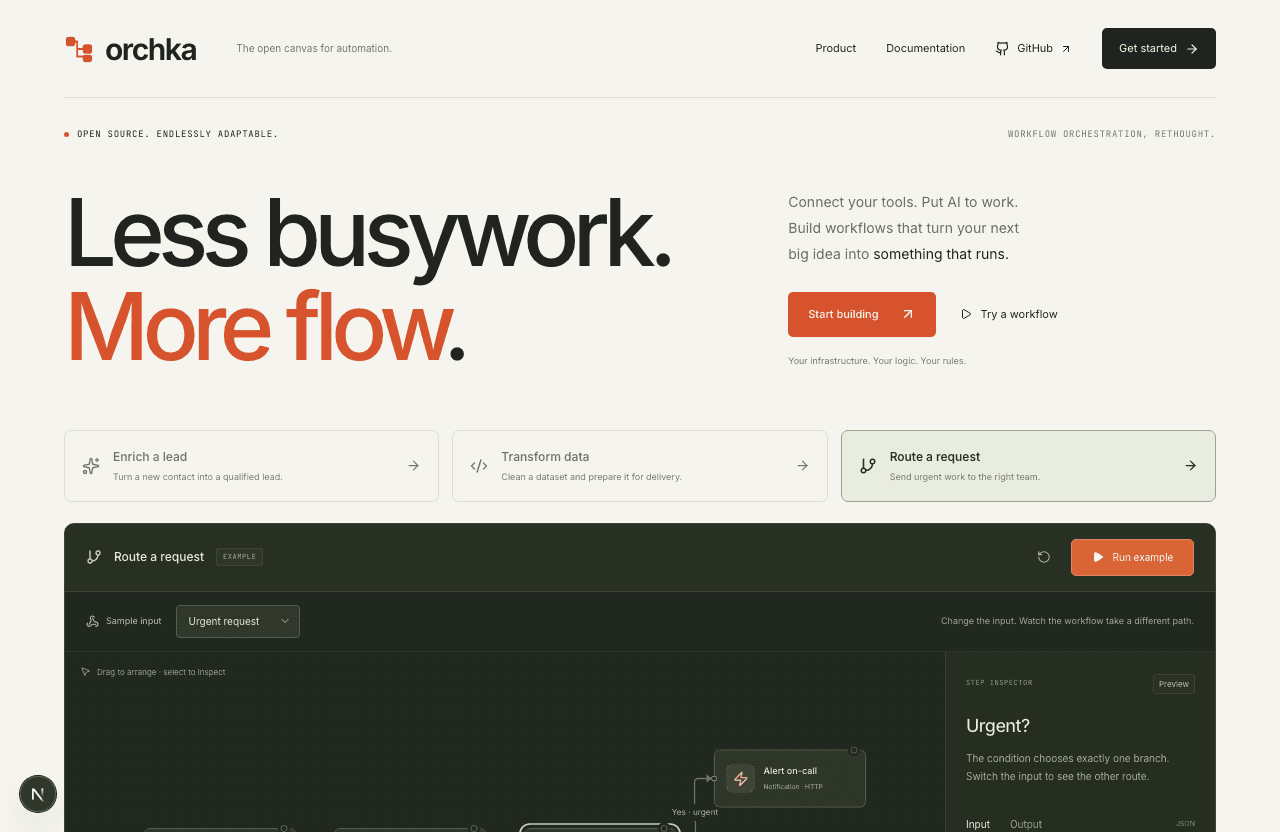
AI Automation
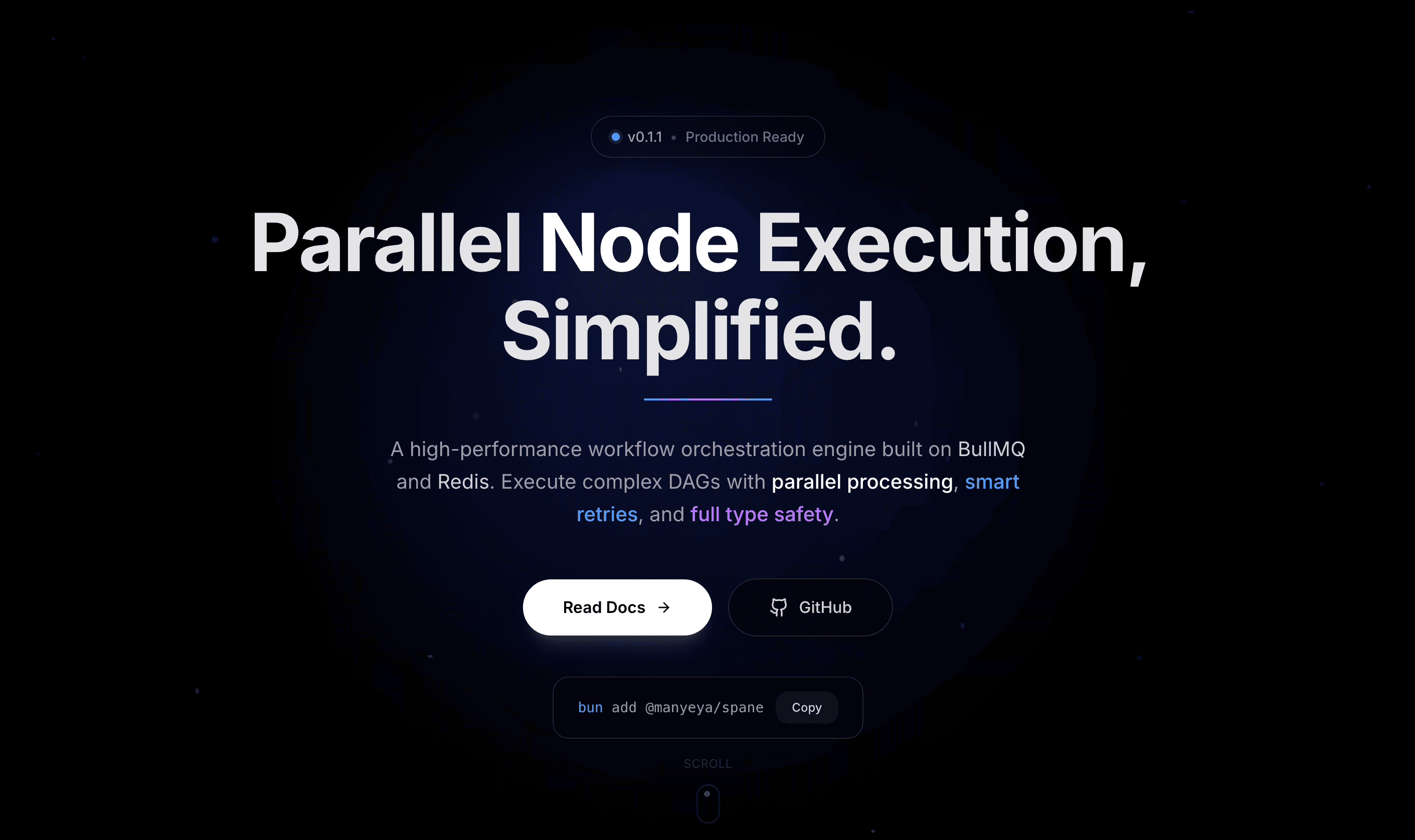
Work that runs itself. Connecting the tools a team already uses into orchestrated pipelines, with humans kept in the loop exactly where judgement is worth more than throughput.
OrchestrationWorkflowsIntegrationsQueues
03
Design & Software Engineering
The background underneath all of it: years of full-stack architecture and interface design. It is the reason the AI work ships as a product people can use, not a notebook.
TypeScriptNext.jsDesign SystemsFigma
Work that runs itself.✳Interfaces that make sense.✳Work that runs itself.✳
03 / From idea to impact
A little curiosity. A lot of care.
Good work is a conversation. Here’s how I move it forward.
01
Map
Find the work worth automating. Which steps are repetitive, which need judgement, and where a model earns its keep instead of adding a new failure mode.
02
Prototype
A narrow end-to-end slice, fast. Real data, real prompts, real interface — enough to see whether the idea survives contact with how people actually work.
03
Build
Type-safe systems around the model: tool boundaries, retries, guardrails and an interface that makes the AI legible rather than mysterious.
04
Operate
Evals, tracing and cost monitoring after launch. Model behaviour drifts; the system that watches for it is part of the product, not an afterthought.
Where the eye came from
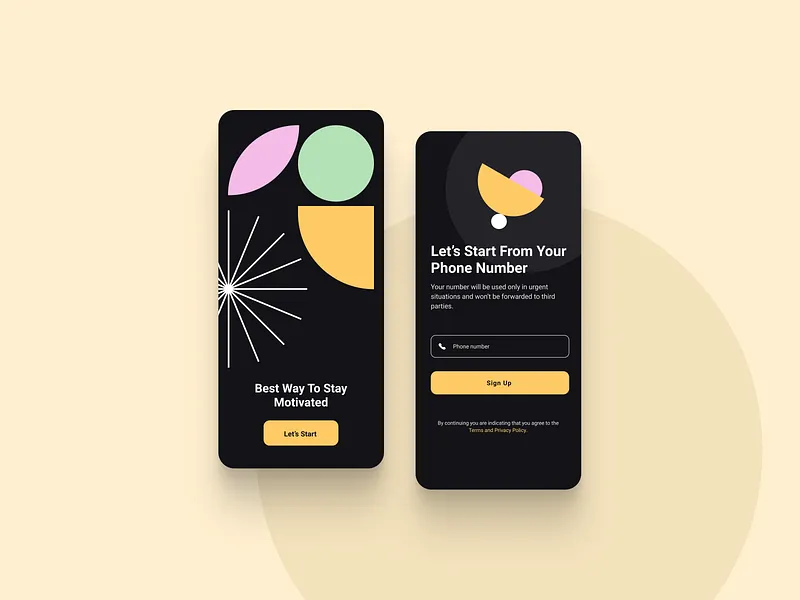
Explorations in interface.
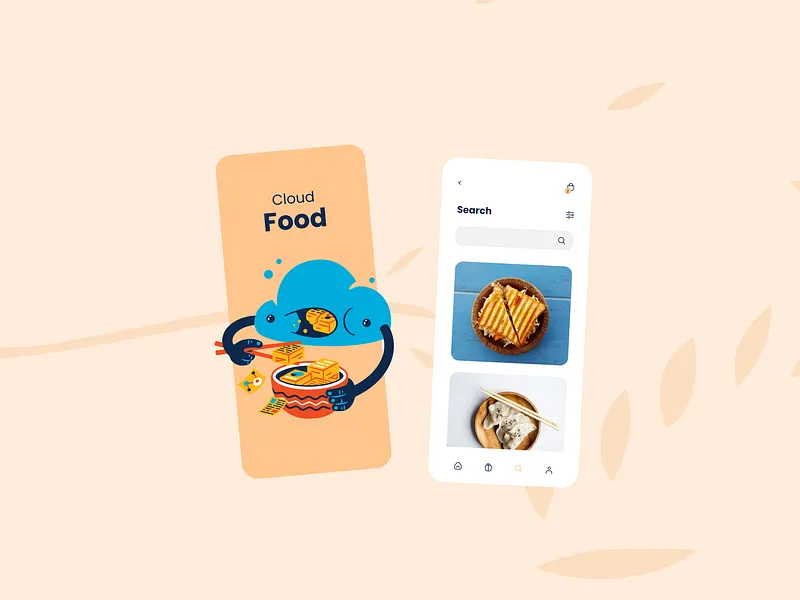
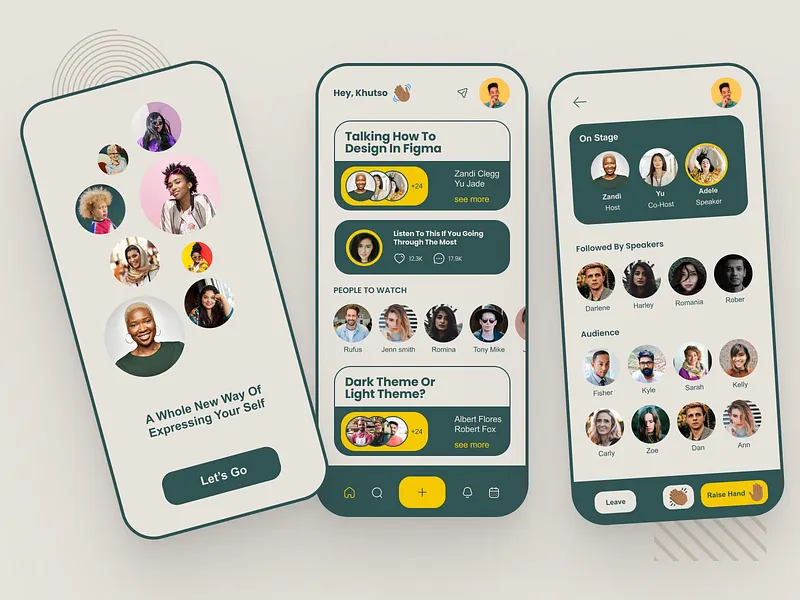
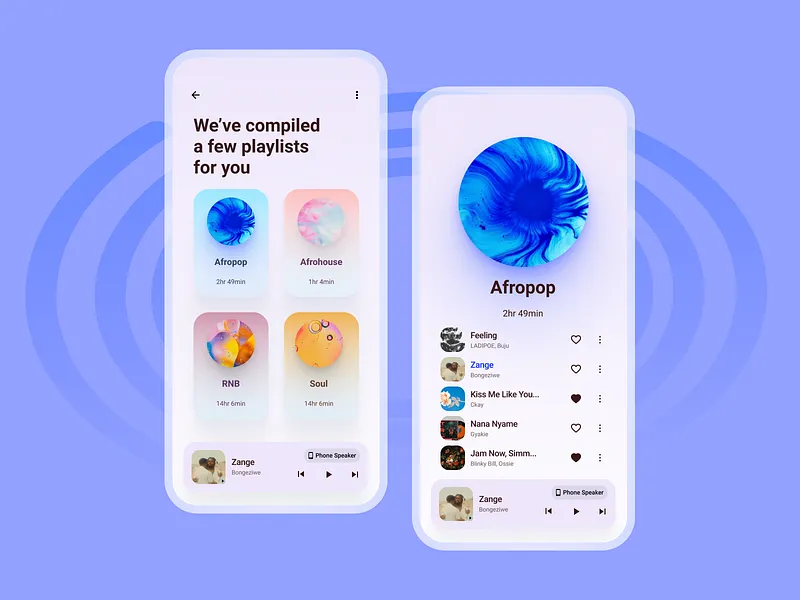
Interface studies from the design years. Still the reason the AI work ships looking like a product.